Visiting a Retirement Community Social Story
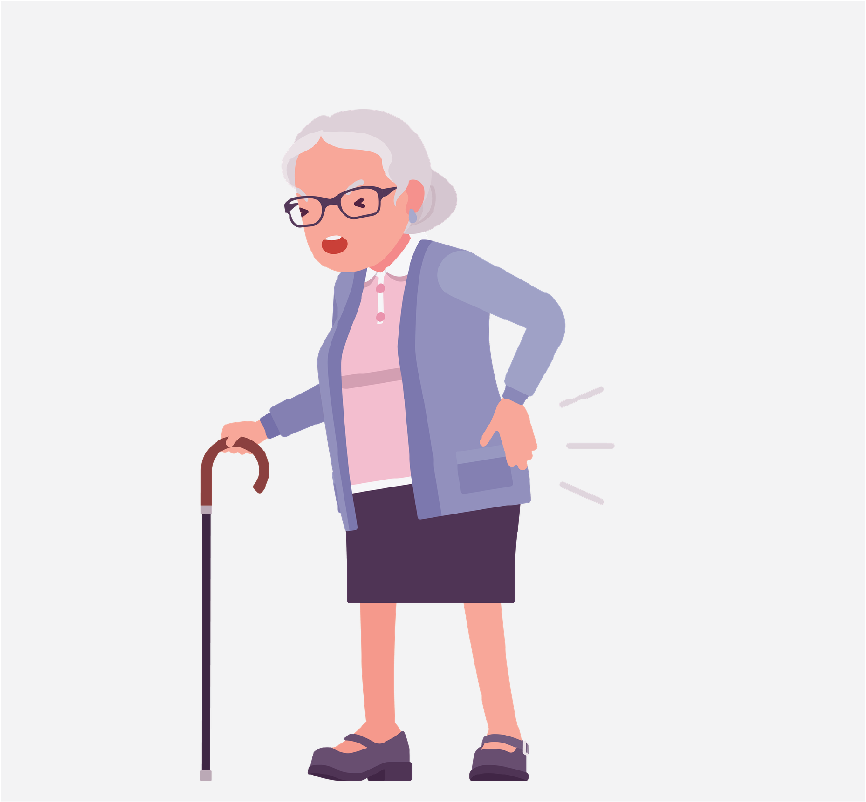
Sometimes when people get older they need extra help.
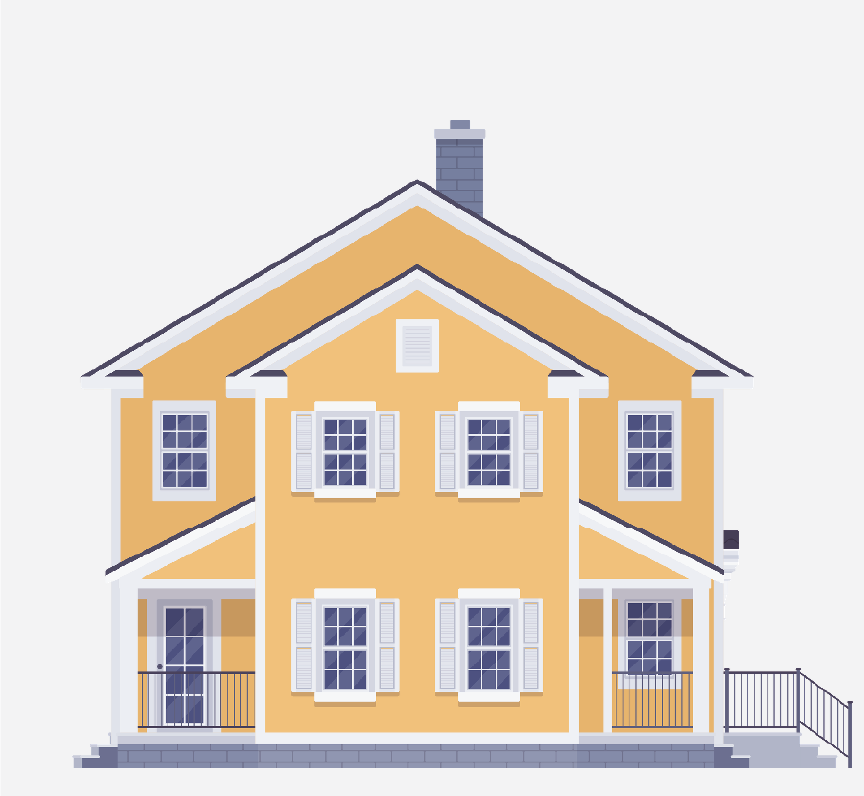
They might need to leave their house to live at a retirement community.

There are people like nurses and staff at retirement communities.
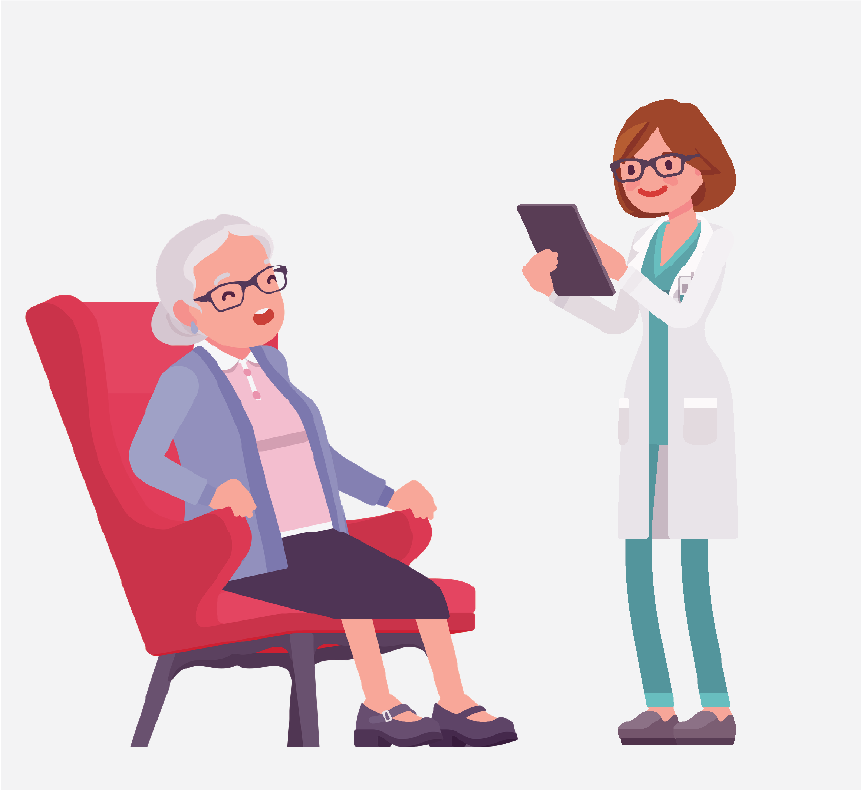
They will make sure your loved one is safe and comfortable.
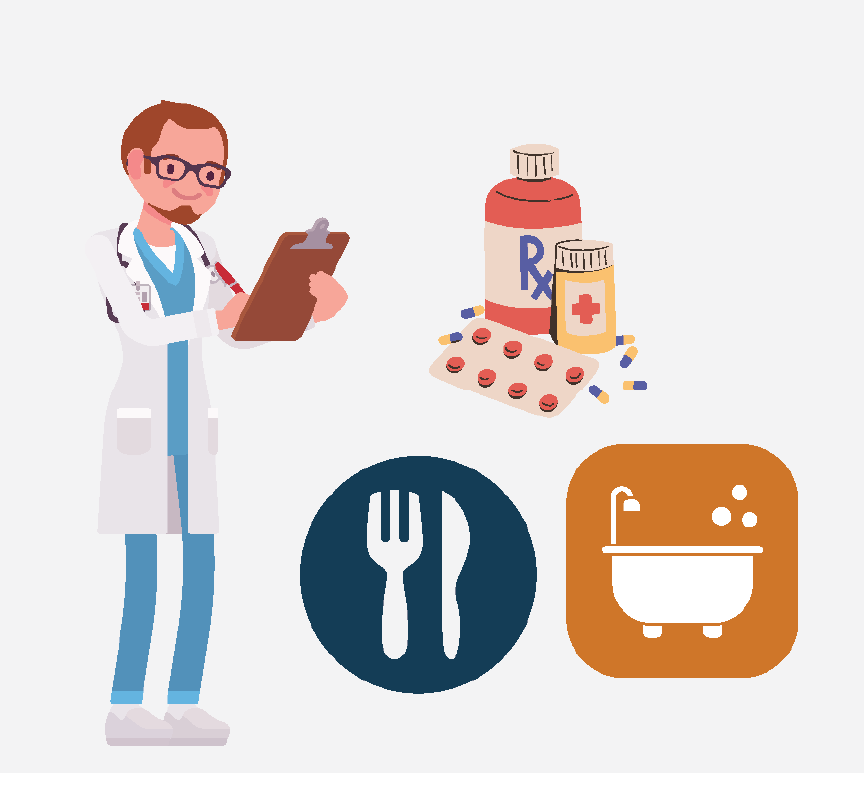
The staff will help with their needs like taking medicine, eating, drinking, bathing, and being social.
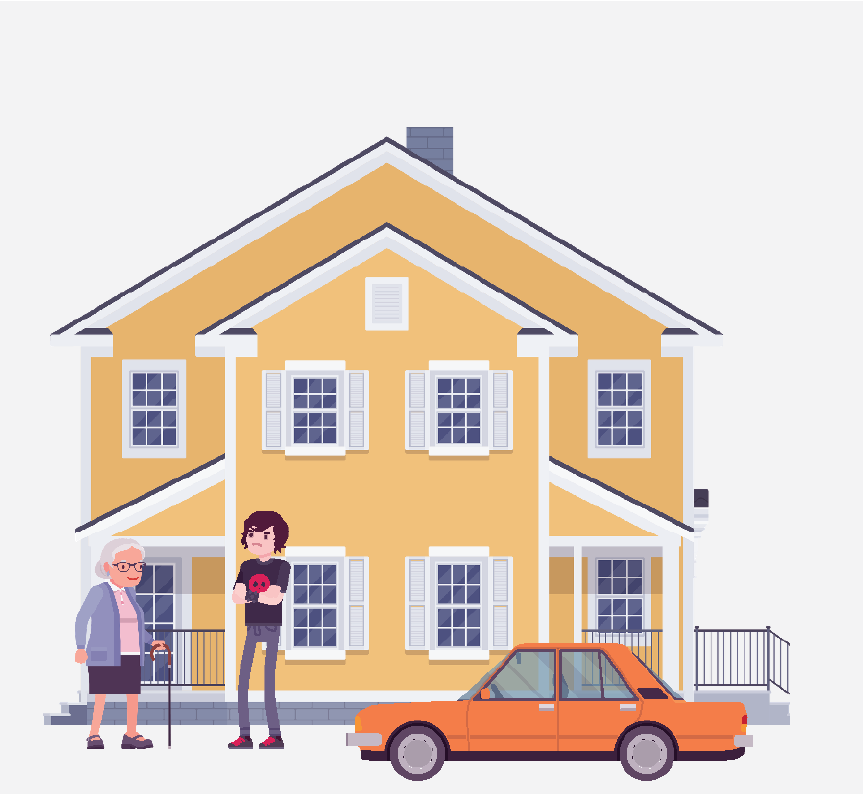
You can visit your loved one at their retirement community if you want to.
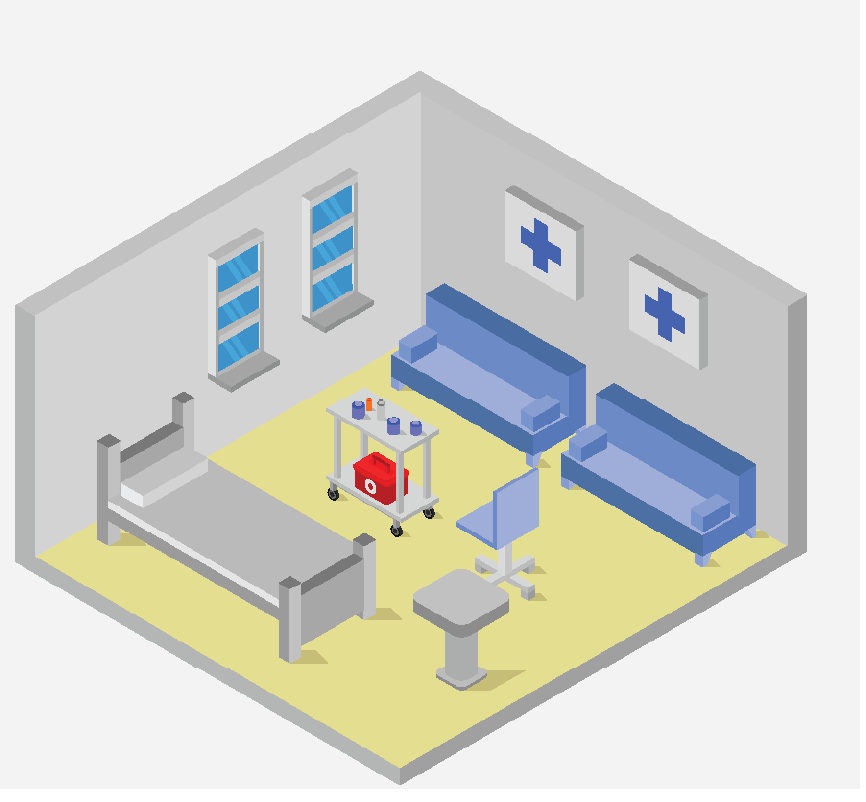
The building might look and smell like a hospital.
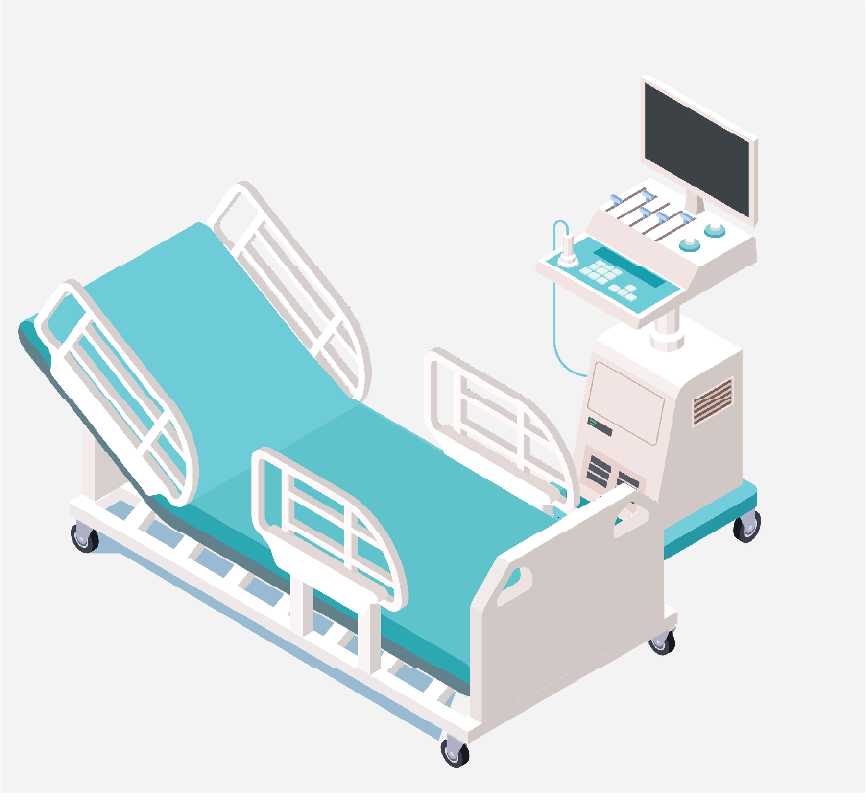
There might be some medical equipment there, too.
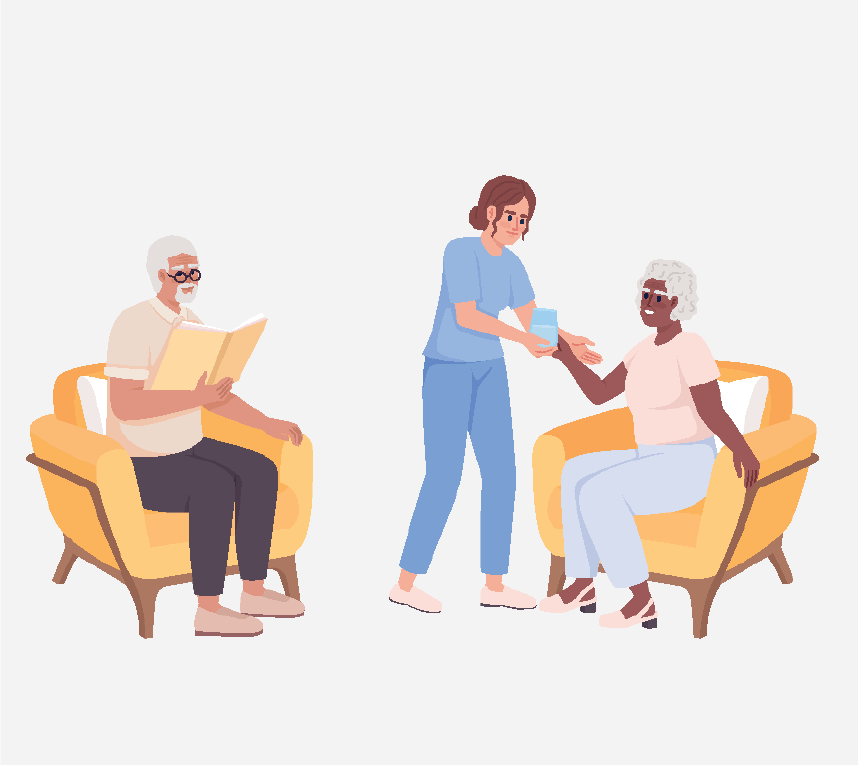
You might see and hear other people talking who live and work at the retirement community.
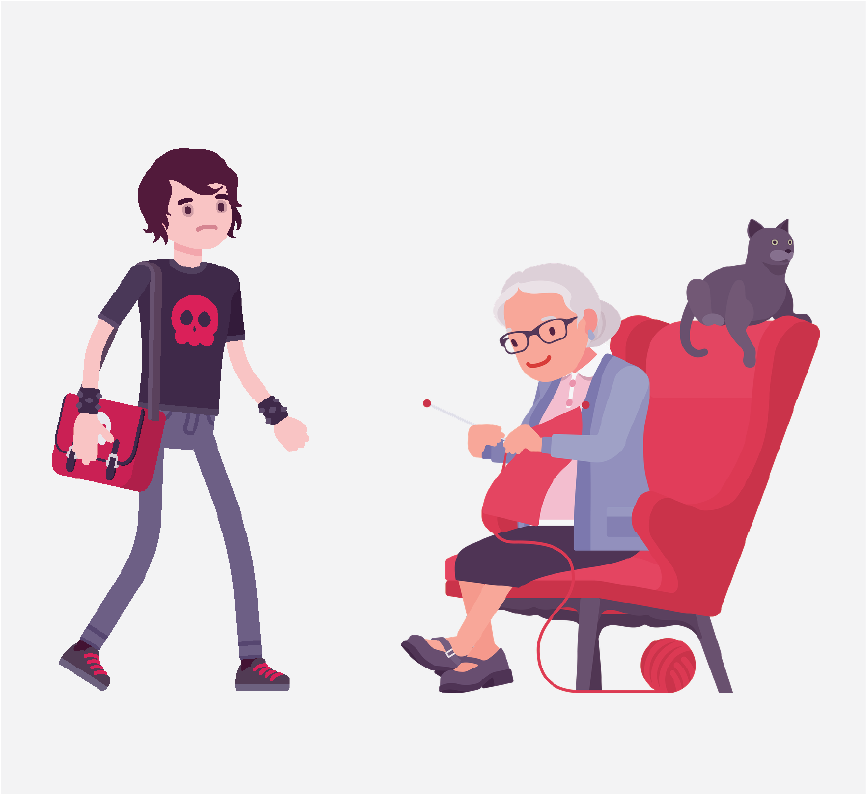
There may be a private space where you can spend time with your loved one.
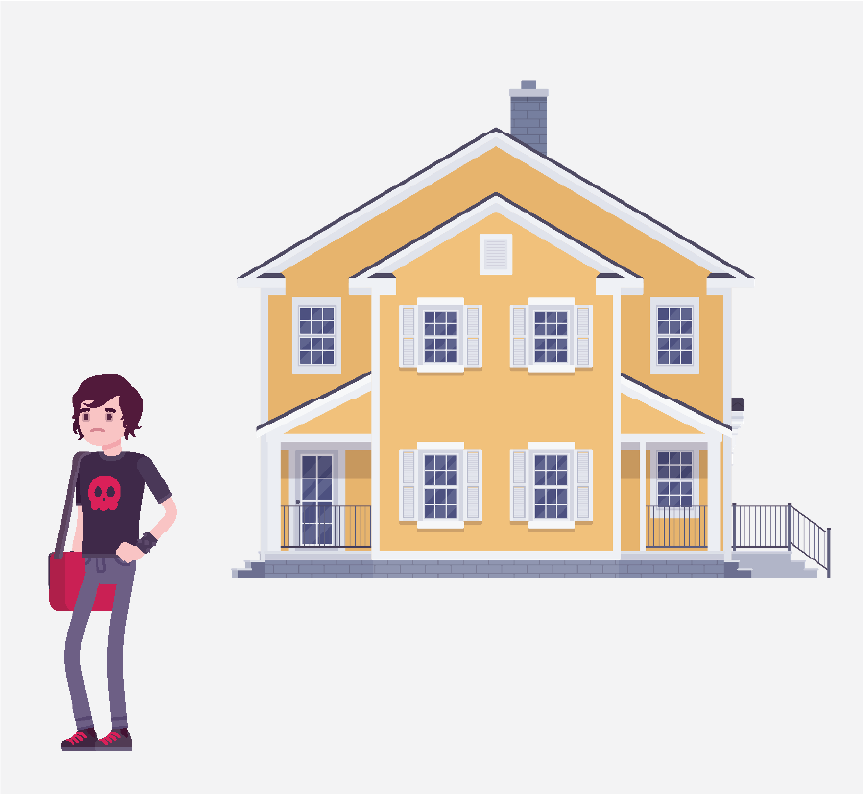
When the visit is over and you have to leave you may feel sad. This is okay.
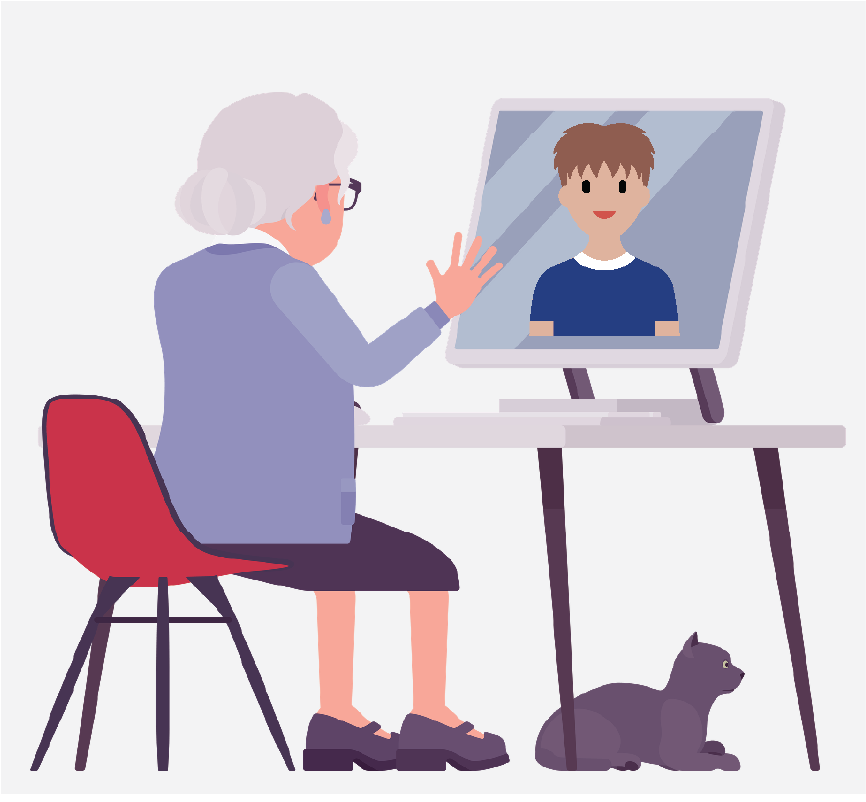
You can call or video chat your loved one if you want to see and talk to them more.
Page 1 of 12
This information was developed by the Autism Services, Education, Resources, and Training Collaborative (ASERT). For more information, please contact ASERT at 877-231-4244 or info@PAautism.org. ASERT is funded by the Bureau of Supports for Autism and Special Populations, PA Department of Human Services.